
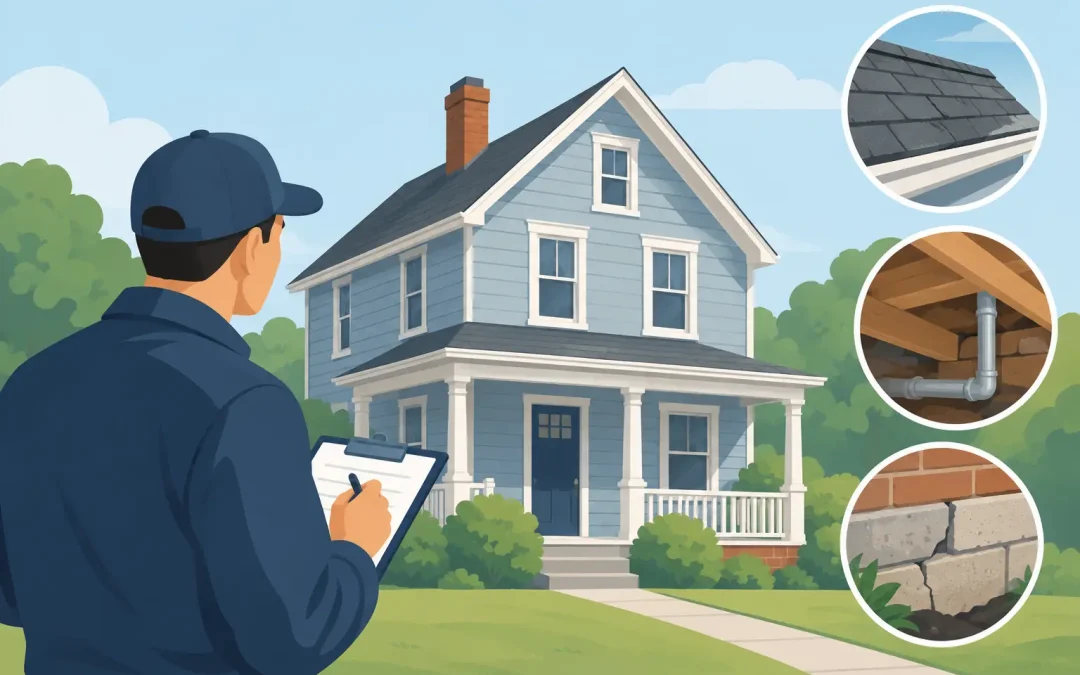
A 1960s ranch in Las Vegas may have charm, mature landscaping, and a desirable established neighborhood. It may also have aging electrical components behind an updated wall plate, a roof near the end of its service life, or plumbing materials that deserve a closer look. This guide to older home inspections helps buyers separate normal age from material concerns before they remove contingencies or finalize closing terms.
Older homes are not automatically problem homes. Many have been carefully maintained and thoughtfully upgraded. The issue is that age adds layers: original construction, past repairs, renovations of varying quality, and systems that may be functioning today but nearing replacement. A detail-oriented inspection gives those layers context so you can make decisions with your eyes open.
Why Older Homes Need More Than a Quick Walk-Through
A freshly painted interior can make a property feel move-in ready, but paint does not explain what is happening at the electrical panel, beneath a sink, in the attic, or on the roof. Older properties often require more time because the inspector must look for both visible defects and clues that point to concealed conditions.
In Clark County, heat and sun exposure add another consideration. Roof coverings, exterior sealants, HVAC equipment, windows, and irrigation components can age differently under desert conditions. A home that has stood for decades may have gone through several roof replacements, air-conditioning upgrades, additions, or owner repairs. The quality and timing of that work matter more than the home’s build date alone.
A professional inspection is not a guarantee that every concealed defect will be found, and it is not a code compliance inspection. It is a visual, non-invasive assessment of accessible systems and components. Still, a thorough inspection should identify material deficiencies, deferred maintenance, safety concerns, and areas where a specialist evaluation is prudent.
What an Older Home Inspection Should Examine
The bare minimum is not enough when a purchase involves an older property. Buyers need a clear picture of the home from foundation to finish, along with practical guidance on what deserves immediate attention and what can be planned for later.
Structure, Grading, and Water Management
Start with the property’s relationship to water. Southern Nevada does not receive constant rainfall, but when storms arrive, poor drainage can still send water toward the foundation, garage, or exterior walls. The inspection should consider visible cracking, evidence of settlement, grading, gutters where present, downspout discharge, patio slopes, and signs of moisture intrusion.
Not every crack is structural. Minor shrinkage cracks and cosmetic separations are common in homes of every age. Wider cracks, offset masonry, doors that bind, uneven floors, or patterns that suggest movement deserve further evaluation. The right next step may be monitoring, documentation, or a structural specialist, depending on the evidence.
Roof, Attic, and Exterior Surfaces
Roof age is a major budgeting issue for older homes. Ask whether the roof covering appears near the end of its expected service life and whether there are damaged tiles, worn underlayment indicators, deteriorated flashing, or signs of prior leaks. In the desert, a roof can look acceptable from the street while hidden components have been stressed by years of intense heat.
The attic can provide valuable clues. Staining, damaged framing, disconnected ducts, insufficient insulation, and moisture-related concerns may be more visible there than in finished living spaces. Exterior stucco, siding, trim, windows, doors, and sealant joints should also be evaluated for cracks, deterioration, and gaps that can allow water or pests inside.
Electrical Systems and Safety
Electrical work is one of the most important areas in an older house. Some properties have updated panels but retain older branch wiring or outlets. Others have had additions completed at different times, creating a mix of materials and installation methods.
An inspection should assess the accessible panel, breakers, visible wiring, grounding, receptacles, switches, and required safety devices. Missing GFCI protection near water, open junction boxes, double-tapped breakers, improper wiring methods, and obsolete or damaged components can affect safety. The inspector may recommend a licensed electrician when panel conditions, wiring concerns, or service capacity require a more complete assessment.
Avoid assuming that a new-looking panel means the entire electrical system is modern. An upgrade can be a positive sign, but the scope of the upgrade needs to be understood.
Plumbing, Water Supply, and Drainage
A home’s plumbing history can be difficult to see without careful inspection. Supply lines may have been replaced while older drain lines remain. Under-sink leaks, corroded shutoff valves, slow drains, improper connections, and water heater concerns are all relevant findings.
Material matters, particularly in older homes. Depending on the property’s age and renovation history, there may be galvanized piping, cast iron drain piping, polybutylene, or other materials that warrant attention. These materials do not automatically mean failure, but they can influence maintenance expectations, insurance questions, and replacement planning.
If there are signs of recurring drain issues, past backups, or large mature trees near sewer lines, a sewer scope can be a smart separate service. It goes beyond a standard visual home inspection, but it may provide valuable information before closing.
Heating, Cooling, and Ventilation
In Las Vegas, Boulder City, and Pahrump, air conditioning is not a minor convenience. It is a core system that affects comfort, operating cost, and your first-year ownership budget. An older home may have a newer condenser paired with older ducts, limited return air, aging insulation, or equipment that was not sized appropriately for later additions.
The inspection should document the equipment’s observed condition, basic operation at the time of inspection, visible duct concerns, and accessible condensate components. Service records can add useful context, but buyers should not rely on paperwork alone. A system can have been serviced regularly and still be approaching the end of its practical life.
How to Read Findings Without Overreacting
An older home inspection report can be lengthy because a good report explains what was observed, where it was found, why it matters, and what action may be appropriate. Photos and video are especially useful when you were not present for the inspection or need to discuss conditions with your agent, contractor, or seller.
The key is to sort findings by urgency and impact. A safety issue, active leak, damaged roof area, or non-functioning HVAC system may require prompt action. Aging caulk, minor cosmetic cracks, and worn fixtures may be reasonable future projects. The condition of the home, your budget, the seller’s willingness to negotiate, and the local market all affect what you request.
Do not treat the report as a punch list demanding that the seller make every repair. That approach can distract from the issues that truly affect safety, major expense, and the property’s intended use. Instead, ask which findings are material, which require specialist pricing, and which are routine maintenance items you can reasonably handle after closing.
Turning Inspection Findings Into a Better Decision
A clear report should help you act, not leave you with a stack of unanswered questions. Kelleher Home Inspections provides photo- and video-supported digital reports within 24 hours, helping buyers and agents review material findings while the transaction is still moving. HomeGauge’s Create Request List™ technology can also organize selected findings into a focused repair or project list for negotiations.
Before asking for repairs or credits, get clarity on the likely scope. A loose outlet cover is different from a concern involving the electrical service. A stained ceiling is different from an active roof leak. When needed, obtain estimates from qualified specialists, then use those details to decide whether to request repair, a credit, a price adjustment, or simply proceed with a maintenance plan.
For older homes, it is also wise to reserve funds after closing. Even a well-maintained property can reveal a worn valve, failing appliance, or aging component during the first year of ownership. A realistic reserve helps protect your budget without turning every age-related item into a deal-breaker.
Questions Worth Asking at the Inspection
Attend the inspection when possible, especially if this is your first older-home purchase. You do not need construction experience to benefit from the conversation. Ask the inspector to explain the most significant findings in plain language and focus on questions that affect your decision:
- Which items involve safety, active damage, or likely near-term replacement?
- Which systems appear original, updated, or near the end of their expected service life?
- What evidence suggests a past repair, and does the repair appear complete?
- Should any findings be reviewed by an electrician, roofer, HVAC contractor, plumber, or structural specialist?
- Which maintenance tasks should be addressed during the first months after closing?
The right older home can be an excellent purchase when its condition is understood, its costs are planned for, and its material concerns are addressed before you commit. Let the inspection replace assumptions with evidence, then use that evidence to move forward with confidence.
Recent Comments