
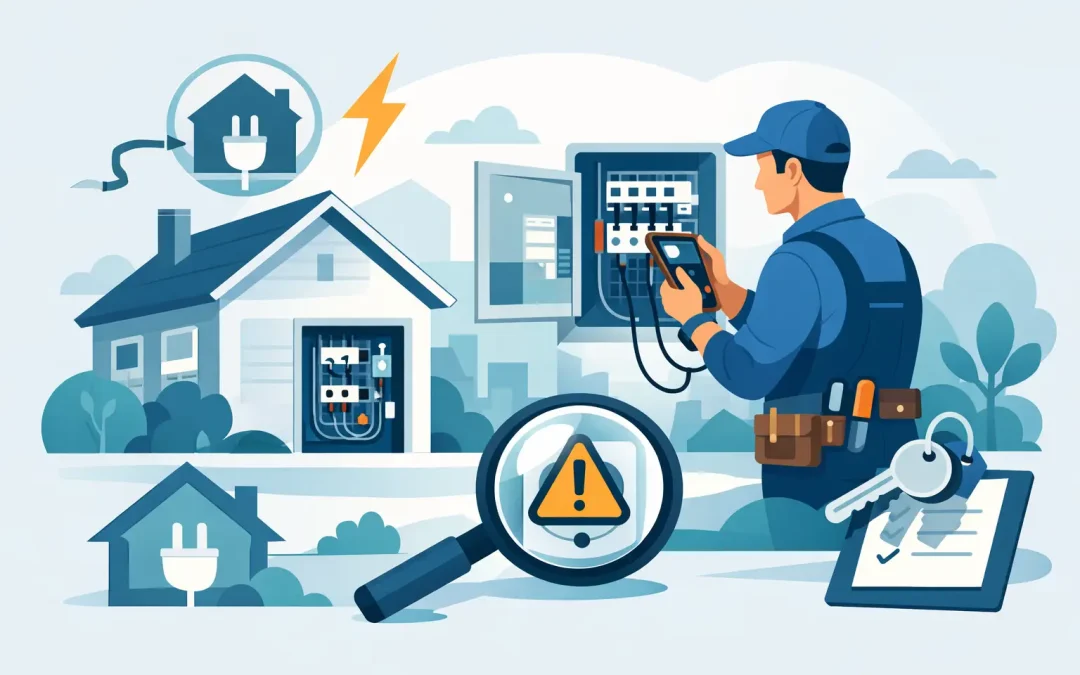
A home can look move-in ready and still have electrical conditions hiding behind outlet covers, in the service panel, or above a ceiling. An electrical inspection before closing gives you a clearer picture of those conditions while you still have time to request repairs, negotiate a credit, plan a project, or reconsider the purchase on solid information.
For buyers in Las Vegas, Boulder City, Pahrump, and throughout Clark County, this is not a minor detail. Electrical defects can affect personal safety, insurance conversations, financing timelines, and the real cost of owning the home after escrow closes. The goal is not to make every older home look brand-new. It is to identify material safety concerns and help you understand what deserves attention first.
What an electrical inspection before closing can reveal
During a pre-purchase home inspection, the electrical system is evaluated through visible, accessible components and representative testing. That typically begins at the main electrical service equipment and continues through readily accessible panels, branch wiring where visible, receptacles, switches, lighting, grounding components, and safety devices.
A careful inspection may identify a panel that has been improperly labeled, double-tapped breakers, missing panel covers, open knockouts, exposed wiring, or signs of overheating. It can also reveal outlets with reversed polarity, ungrounded receptacles, loose devices, damaged covers, or circuits that do not respond as expected during testing.
In bathrooms, kitchens, garages, exterior locations, laundry areas, and other damp or wet locations, ground-fault circuit interrupter protection is especially significant. GFCI protection is designed to reduce shock risk by cutting power when it detects a fault. Missing, inoperative, or improperly installed protection is a common finding that may be relatively straightforward to correct, but it should not be dismissed.
Arc-fault circuit interrupter protection may also be relevant in newer construction or in areas where it is expected. AFCIs are intended to help address certain arcing conditions that can lead to fire hazards. Whether an upgrade is required, advisable, or outside the scope of a transaction often depends on the home’s age, the work being performed, local requirements, and advice from a qualified electrician.
Why the panel deserves close attention
The electrical panel is the system’s control center, but it is not the only part that matters. Still, a panel can quickly tell an experienced inspector where a closer look is needed. Corrosion, water staining, heat damage, incompatible breakers, missing dead-front screws, improper conductor connections, and limited capacity can all affect safety and future planning.
Some older panels or electrical components have known reliability concerns. A home inspection report can document visible conditions and identify when further evaluation by a licensed electrical contractor is warranted. It should not make a casual diagnosis from a distance or imply that every older component has failed. A proper next step is often a licensed electrician’s evaluation, including repair pricing and recommendations tailored to the actual system.
Capacity matters, too. A buyer may be planning an electric vehicle charger, pool equipment, a workshop, a hot tub, or a kitchen renovation. Even if the present system is functioning, an undersized service or crowded panel can turn a future project into a larger expense. Knowing that before closing helps you budget realistically instead of being surprised after move-in.
The concerns that should change the conversation
Not every electrical finding carries the same weight. A missing switch plate and a service panel with evidence of overheating should not receive equal attention. A good report helps separate immediate safety concerns from routine repairs, maintenance items, and upgrades that can be planned over time.
Conditions that often deserve prompt attention include evidence of active overheating, exposed energized parts, damaged service equipment, improper wiring methods, moisture intrusion at electrical equipment, and missing protection in locations where shock risk is higher. Aluminum branch-circuit wiring, if present, also deserves informed evaluation because it requires proper connections and maintenance practices.
Older homes can have ungrounded outlets, limited circuits, or wiring methods that no longer match modern expectations. That does not automatically mean the home is unsafe or that the transaction should stop. It does mean buyers should understand the condition, the possible cost to improve it, and how it affects their intended use of the property. A house built decades ago should be evaluated fairly, not held to every standard applied to new construction.
A home inspection is not an invasive electrical investigation
Buyers should understand the limits as well as the value of the inspection. A residential home inspection is visual and noninvasive. Inspectors do not open walls, disconnect permanent wiring, dismantle equipment, or test every receptacle and circuit under every possible load. Furniture, stored belongings, locked rooms, inaccessible attics, and blocked panels can limit what can be observed.
A home inspection is also not a full electrical code-compliance inspection. Building codes change, and existing homes are generally not required to be upgraded to every current standard simply because they are being sold. The focus is on visible, accessible conditions that appear defective, unsafe, improperly installed, or in need of further evaluation.
That distinction protects buyers from two mistakes: assuming an inspection guarantees that no electrical issue exists, or assuming every note in a report requires a complete rewiring project. When a material concern appears, the report should explain what was observed, why it matters, and what type of qualified professional should evaluate or repair it.
How to use electrical findings during negotiations
The inspection period is your opportunity to turn information into a decision. Once the report arrives, review electrical findings with your real estate agent and prioritize them by safety, cost, and timing. Photo and video documentation are especially useful because they show the seller, agent, or contractor the specific condition being discussed.
For a major concern, a request for repair by a licensed electrician may be appropriate. In other cases, a seller credit can make more sense, particularly when you want control over who performs the work after closing. A credit may also be practical when several smaller repairs are involved or when the scope cannot be confirmed until a contractor performs a more detailed evaluation.
There are trade-offs. Seller-performed repairs can reduce your immediate workload, but buyers should confirm that work is completed by an appropriately qualified professional and that any needed permits or documentation are provided. A credit gives you more control, but you need enough room in your post-closing budget to complete the work promptly.
Kelleher Home Inspections delivers digital reports within 24 hours, with photos and video supporting material findings. HomeGauge’s Create Request List™ can help buyers and agents organize repair and project items into a more focused negotiation list rather than sending an unfocused request for every minor imperfection in the home.
Questions to ask when electrical issues appear
If the report recommends further evaluation, ask the electrician what is unsafe now, what is a repair versus an upgrade, and whether the condition affects insurance, permits, or your planned renovations. Ask for a written scope and estimate. If the issue involves a panel, service capacity, or older wiring, ask whether the proposed work is limited to a specific repair or likely to uncover related needs.
It is also reasonable to ask whether a repair will require drywall access, panel replacement, utility coordination, or permit inspections. Those details can affect both cost and timing. The best decision is rarely based on a single alarming phrase in a report. It comes from understanding the observed condition and the practical path to address it.
Protect your decision before escrow closes
Electrical systems are easy to overlook because most of their critical parts are designed to stay out of sight. That is precisely why a detail-oriented inspection matters. It gives you documented facts before your closing deadline, when you still have leverage and options.
Do not settle for the bare minimum when a home’s safety and future repair costs are on the line. Review the electrical section of your inspection report carefully, ask direct questions, and use the remaining inspection period to make a decision that fits both the home and your budget.
Recent Comments