
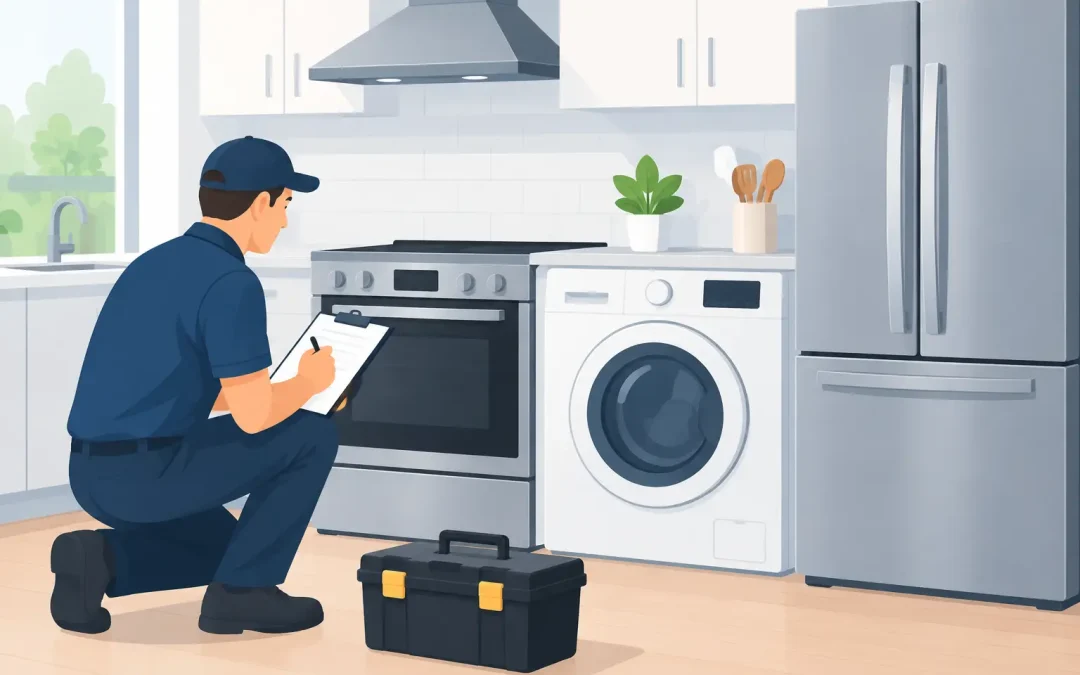
A kitchen can look spotless and still hold an expensive surprise. A dishwasher may leak only when it drains. An oven may heat unevenly. A garbage disposal may hum without turning. So, are appliances tested during inspections? Usually, yes – but buyers should understand what that testing means, what conditions can limit it, and why a passing check is not the same as a warranty.
For buyers in Las Vegas, Boulder City, Pahrump, and throughout Clark County, appliance findings can influence repair requests, closing decisions, and the budget you carry into a new home. The goal is not to make every appliance look perfect. It is to identify visible defects and operational concerns before you are responsible for the property.
Are Appliances Tested During Home Inspections?
A home inspector generally operates readily accessible, permanently installed appliances using normal controls. This commonly includes the range or cooktop, built-in oven, dishwasher, built-in microwave, garbage disposal, and range hood or exhaust fan. The inspector is looking for whether the appliance responds to normal operation and whether there are visible signs of damage, leakage, improper installation, or a safety concern.
For example, an inspector may run the dishwasher long enough to observe water supply, circulation, and draining. They may operate each cooktop burner, check the oven’s heating function, test the microwave with a microwave-safe load, and activate the disposal while water is running. When an appliance does not respond, leaks, makes unusual noises, or has a visible electrical concern, that condition should be documented in the inspection report.
That level of attention is useful because an appliance problem is not always an appliance-only problem. A dishwasher leak can damage flooring and cabinetry. An improperly installed gas range can create a safety issue. A nonfunctional vent hood can affect indoor air and moisture management. The right finding gives you a clearer picture of the repair itself and any connected concern.
What Appliance Testing Does and Does Not Prove
A pre-purchase inspection is a visual, noninvasive assessment performed at a specific point in time. It is not a full appliance service appointment, manufacturer certification, or guarantee that an appliance will operate indefinitely after closing.
An inspector does not normally disassemble appliances, pull them away from walls, test every available cycle, calibrate temperatures, inspect internal components, or determine remaining service life. A refrigerator might feel cold during the inspection but still have a compressor nearing failure. An oven may turn on but require a separate evaluation to confirm exact temperature accuracy. These are real limitations, not shortcuts.
The inspection can still identify meaningful warning signs. Corrosion at a water connection, a dishwasher that fails to drain, a loose range hood, a microwave with a damaged door, or a disposal that does not operate are all conditions a buyer deserves to know about. The report helps distinguish an ordinary future replacement from an issue that needs repair, further evaluation, or negotiation before closing.
Which Appliances Are Usually Included?
The answer depends on the inspection agreement, what is installed at the property, and whether utilities are active. Built-in appliances are generally the most likely to be inspected because they are part of the home’s functional systems.
Freestanding refrigerators, washers, and dryers are more variable. They may be included if they are present and conveyed with the sale, but they are not always required under a home inspection standard of practice. In some transactions, sellers plan to take these items. In others, the appliances are left behind but cannot be fully tested because water, gas, or electrical connections are inaccessible.
Small countertop appliances are not part of a home inspection. Neither are specialty appliances that require a separate, highly technical evaluation, such as commercial-grade equipment, ice makers, wine coolers, outdoor kitchens, or built-in coffee systems. An inspector may report a visible concern when one is apparent, but buyers should not assume those systems received the same operational review as a standard built-in dishwasher or oven.
Why an Appliance May Not Be Tested
Sometimes an appliance cannot be operated safely or reasonably during the inspection. That limitation should be recorded so you know what was not evaluated and why.
Utilities may be off in a vacant home. A gas appliance cannot be tested without active gas service, and a dishwasher cannot be meaningfully checked without water and power. An appliance may also be blocked by stored belongings, inaccessible due to a locked area, disconnected, or posted with a warning not to operate it.
Inspectors also avoid actions that could create damage. Running a dishwasher that appears to have an active leak, operating a heavily soiled oven, or cycling equipment with obvious electrical damage would not serve the buyer. A diligent inspection means knowing when to test and when a condition calls for caution and a qualified appliance technician.
In Southern Nevada, vacant properties can add another layer of uncertainty. Homes that have been sitting in heat may have disconnected utilities, dry plumbing traps, or appliances that have not been used in months. If an item cannot be tested before your inspection contingency expires, ask your agent about arranging access, utility activation, a seller demonstration, or a specialist evaluation.
What to Look for in the Inspection Report
A useful appliance section does more than state that something was “not working.” It should explain the observed condition, show supporting photos when appropriate, and identify the recommended next step.
A report may note that a dishwasher did not complete a drain cycle, that a range burner failed to ignite, or that a microwave was not tested because the unit was unplugged. Those details matter. “Not tested” is different from “defective,” and “defective” is different from a confirmed diagnosis of the failed part.
At Kelleher Home Inspections, the emphasis is on giving buyers clear, visual information rather than the bare minimum. A photo- and video-supported digital report can help you review a concern after the appointment, discuss it with your agent, and decide whether to seek a repair, credit, or specialist opinion. Findings can also be organized into a practical request list, so negotiations are based on documented conditions rather than vague recollection.
How Buyers Can Prepare Before Inspection Day
A few simple steps can make appliance testing more complete and reduce avoidable gaps in the report:
- Confirm that electricity, water, and gas will be on before the inspection.
- Ask which appliances are included in the purchase contract and which the seller intends to remove.
- Make sure appliances are accessible, especially the dishwasher, range, laundry equipment, and refrigerator.
- Ask the seller to remove lockout notices only when it is safe and authorized to do so.
- Save questions about specialty equipment for your inspector before the appointment, not after your contingency period is nearly over.
It also helps to attend the inspection when possible. Seeing an appliance operated and hearing the inspector explain a concern provides context that is difficult to capture in a short text message from an agent. If you cannot attend, review the report promptly and ask questions while your inspection period is still open.
When a Specialist Is Worth the Cost
Not every appliance issue requires a separate service call before closing. A worn garbage disposal or aging microwave may be a manageable replacement cost, particularly if the home’s price and condition already reflect its age. The decision changes when a finding suggests a safety issue, concealed damage, or a potentially costly repair.
Consider a qualified appliance technician when an appliance will not operate, repeatedly trips a breaker, leaks, has a gas-related concern, displays error codes, or may have damaged surrounding materials. A technician can diagnose internal components, estimate repairs, and provide the specificity that a seller may request during negotiations.
For higher-end or integrated appliances, specialist input can be especially valuable. Replacement parts may be expensive, cabinet modifications may be necessary, and service availability may be limited. Knowing that before the close of escrow puts you in a much stronger position than discovering it after move-in.
An appliance inspection finding is not meant to create panic over every aging oven or noisy dishwasher. It is meant to replace assumptions with evidence. Before you finalize your purchase, make sure the appliances that matter to your household were tested when possible, every limitation is understood, and any concern has a clear next step while you still have options.
Recent Comments