
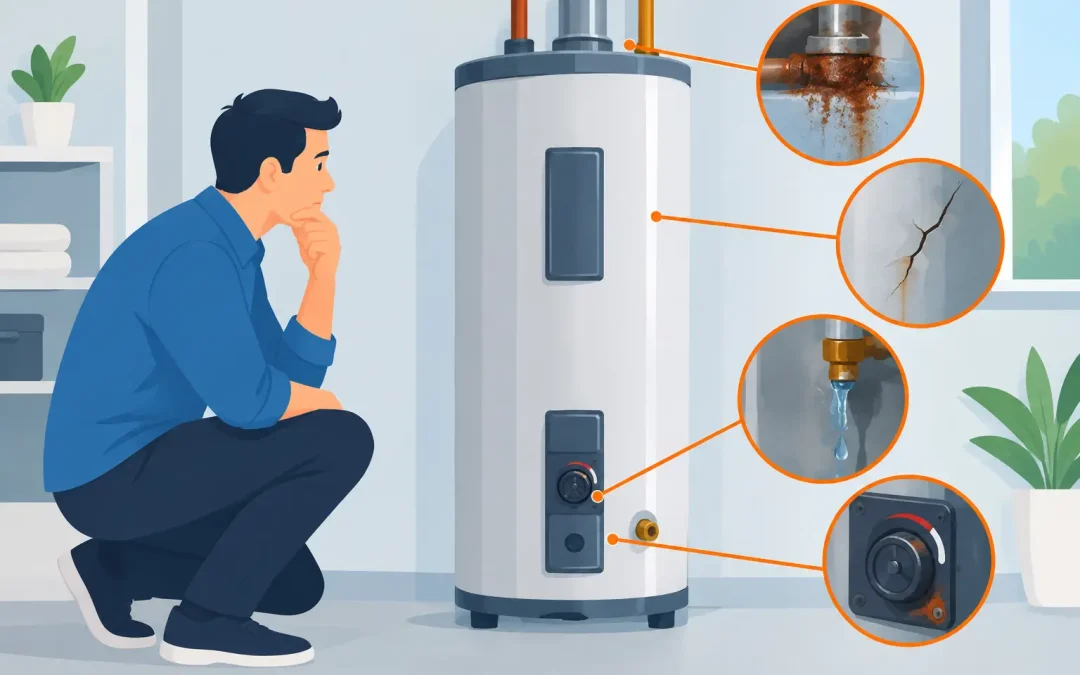
A water heater can look like a small line item beside a roof, HVAC system, or electrical panel. But water heater defects can create a safety concern, a surprise replacement expense, or a messy failure shortly after move-in. For buyers in Las Vegas, Boulder City, and Pahrump, the right question is not simply whether hot water is available during a showing. It is whether the unit appears safely installed, properly maintained, and reasonably dependable for the home you are about to purchase.
A thorough home inspection helps put the water heater in context. Some findings call for prompt correction before closing. Others are maintenance items or future-budget concerns. The difference matters when you are deciding what to request from a seller and what you are comfortable handling after the sale.
Why water heater defects deserve close attention
Most homeowners do not think about a water heater until it stops producing hot water. By then, a hidden leak may have damaged drywall or flooring, a failed component may have left the household without hot water, or an unsafe installation may need immediate professional attention.
Water heaters also operate under heat, pressure, electricity, or combustible gas. A defect is not always dramatic, and it is not always a reason to walk away from a property. Still, an aging or improperly installed unit can change the true cost of a home purchase. Replacing a conventional tank water heater is generally more straightforward than replacing a roof, but access limitations, needed code updates, venting corrections, and water damage can add to the final scope.
In Southern Nevada, mineral-rich water can also accelerate sediment buildup and affect components over time. That does not mean every older water heater has failed. It does mean buyers should look beyond the exterior condition and ask for a clear explanation of material findings.
Common water heater defects found during inspections
An inspection is visual and noninvasive. It cannot predict the exact day a water heater will fail or inspect concealed portions of the system. It can, however, identify visible conditions that deserve correction, monitoring, or further evaluation by a qualified plumber or other appropriate contractor.
Age, corrosion, and leakage
The manufacture date on the water heater label provides useful context. Tank-style water heaters have a limited service life, and age becomes more significant when paired with corrosion, staining, active leakage, or poor performance. A unit that is nearing the end of its expected life may still work today, but buyers should plan accordingly rather than assume it has years of reliable service remaining.
Rust at fittings, the top of the tank, or the base can point to moisture exposure or deterioration. Water around the unit may come from a leaking tank, a connection, a temperature and pressure relief valve discharge, or another nearby source. The location and severity matter. A minor drip at a fitting may be repairable, while corrosion or leakage from the tank body often signals that replacement is approaching or necessary.
A drain pan is another detail worth noting. Where a water heater is located above finished areas or in a place where leakage could cause damage, a properly installed pan and drain arrangement can help limit the consequences of a failure. A pan does not fix a leaking unit, but its absence can increase the potential damage from one.
Missing or improper temperature and pressure relief protection
The temperature and pressure relief valve, often called the TPR valve, is a critical safety component. It is designed to release water if excessive temperature or pressure develops inside the tank. A missing valve, signs of leakage, or an improper discharge pipe should not be treated as a cosmetic issue.
The discharge pipe should terminate in a location that reduces the risk of scalding and visible damage. Improper materials, capped discharge piping, or a termination that creates a hazard can interfere with the valve’s safety purpose. Because this component involves pressurized hot water, correction should be handled by a qualified professional.
Improper gas connections, venting, or combustion air
Gas-fired water heaters deserve careful attention. Visible concerns can include an improper gas connection, inadequate protection from vehicle impact in a garage, venting that appears loose or damaged, or vent connectors installed with an improper slope. These conditions can affect safe operation and may require a licensed contractor to evaluate and correct.
Combustion air is another consideration. A water heater installed in a confined closet needs adequate air for combustion. Louvered doors, openings, and other provisions may be part of the installation design. Closing off or altering these areas during a remodel can create a problem even if the heater itself has not changed.
A home inspection is not a gas leak test or a full combustion analysis. If visible conditions raise concern, the prudent next step is a specialist evaluation before closing or a clear repair agreement supported by documentation.
Electrical and installation concerns
Electric water heaters can have their own defects, including improper wiring, missing covers, or visible signs of overheating. Both electric and gas units may have inadequate seismic strapping, improper clearances, or unsupported piping.
Seismic strapping is particularly relevant in Nevada. Proper restraints help limit movement during an earthquake and reduce the chance of damaged water or gas connections. The exact requirements can depend on the age of the home, the installation location, and applicable standards, but missing or inadequate restraints are worth addressing.
Buyers may also see expansion tanks connected to water heater piping. These devices help manage pressure changes in certain plumbing systems. Their presence alone is not proof of a problem, and their absence is not automatically a defect in every home. The installation must be considered with the home’s plumbing configuration and applicable requirements.
What an inspection finding means for your purchase
Not every water heater finding belongs in the same category. A missing label, an older but functional unit, and active leakage are very different circumstances. A detailed report should help distinguish between safety-related concerns, repairs that should be completed by qualified professionals, routine maintenance, and items to budget for in the future.
For example, an older water heater with no visible leakage may be a planning issue. You may choose to request a credit, ask the seller for service records, or simply set aside funds for replacement after closing. An active leak, improper TPR discharge piping, or a visible gas-venting concern is more likely to justify a targeted repair request or specialist evaluation before your contingency period ends.
Avoid relying on a seller’s statement that the unit “works fine.” A heater can produce hot water while still having installation defects, corrosion, or a limited remaining life. Ask for invoices if the seller says the unit was replaced or serviced recently. Documentation can clarify the unit’s age and the work performed, though it does not replace a careful visual assessment.
How buyers can use the inspection report effectively
A strong inspection report gives you more than a list of problems. It gives you usable evidence for decisions. Photos can show corrosion, discharge piping, visible leaks, or installation conditions. Video may help clarify an operational concern. Clear descriptions help you and your agent understand what needs immediate attention and what should be handled as a future project.
When reviewing water heater defects, focus on three practical questions: Is there a current safety or leakage risk? Does the finding require a qualified contractor before closing? What cost or maintenance should be included in your first-year home budget?
Kelleher Home Inspections documents material findings with clear visuals and delivers digital reports quickly so buyers can move from uncertainty to an organized next step. If repairs become part of negotiations, an itemized request list can help keep discussions focused on specific conditions instead of broad, confusing demands.
A water heater is small until it is not
Do not let an ordinary-looking water heater disappear into the background during a major home purchase. A few visible defects can point to a manageable repair, a needed replacement, or a safety issue that deserves prompt professional attention. Understanding which is which gives you a better basis for negotiating, budgeting, and moving into your next home with fewer surprises.
Recent Comments