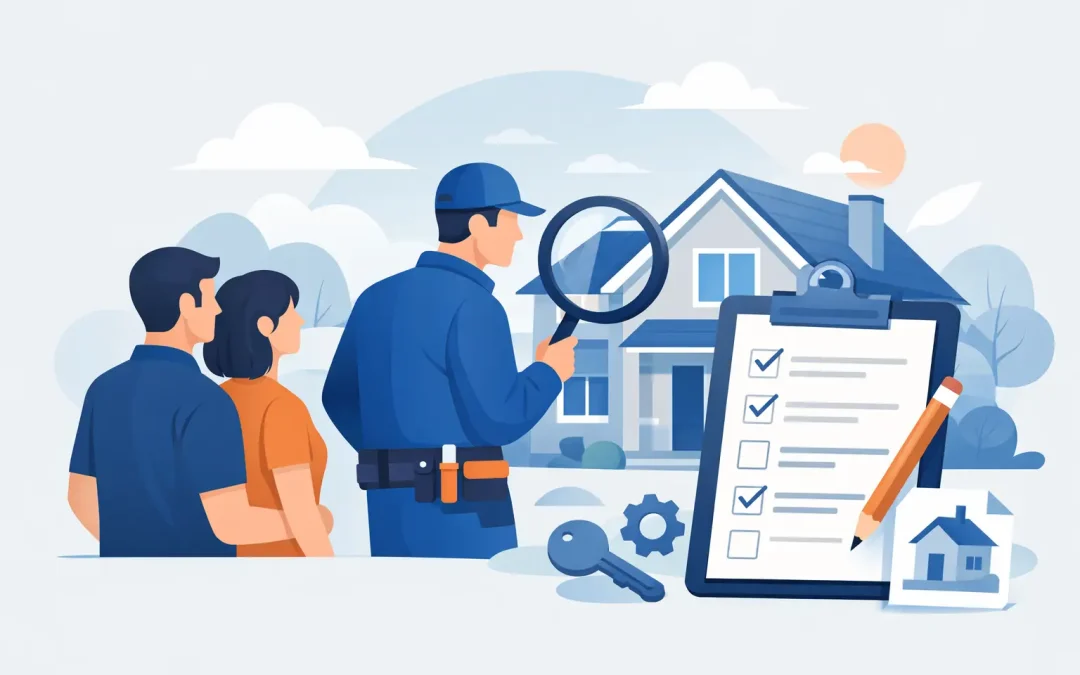
A home can look spotless during a showing and still have a roof near the end of its service life, an aging air-conditioning system, or an electrical concern hidden behind a panel cover. A first time buyer home inspection is where the property stops being a staged listing and becomes a real home with real systems, repair needs, and future costs.
For buyers in Las Vegas, Boulder City, and Pahrump, that clarity matters. Desert heat puts extraordinary demand on cooling equipment, roofing materials, and exterior finishes. Before you finalize closing terms, you deserve more than the bare minimum. You deserve a documented understanding of what you are buying and what may need attention next.
Why a First Time Buyer Home Inspection Matters
A home inspection is a visual, noninvasive evaluation of a property’s readily accessible systems and components. It is not a pass-or-fail test, and it is not a warranty against every future repair. It is due diligence – an independent assessment designed to identify material defects, safety concerns, deferred maintenance, and conditions that may affect your decision or your budget.
For a first-time buyer, the inspection often changes the conversation from, “Can I afford the purchase price?” to, “Can I afford the home after closing?” A property may be structurally sound while still needing a water heater, a few electrical corrections, and a major HVAC repair within the first year. Those expenses do not always mean you should walk away. They do mean you should understand the full picture before your contingency period expires.
The inspection also gives you a practical baseline for homeownership. Many findings are routine maintenance items, such as cleaning clogged gutters, sealing exterior gaps, changing HVAC filters, or servicing a water heater. Knowing the difference between a maintenance task and a repair that calls for a licensed specialist helps prevent a long report from becoming an overwhelming one.
What Your Home Inspector Should Examine
A careful inspection looks at the home’s visible and accessible condition from foundation to finish. The exact scope depends on the property and access at the time of inspection, but buyers should expect meaningful attention to the major systems that influence safety, function, and cost.
Structure, exterior, and roof
The inspector evaluates visible foundation conditions, grading and drainage, exterior cladding, windows, doors, patios, walkways, and roof components that can be safely accessed or observed. In Southern Nevada, drainage deserves close attention even in a dry climate. When heavy rain arrives, poor grading or drainage can direct water toward the foundation, garage, or living areas.
Roof observations are equally important. Sun exposure can shorten the useful life of roofing materials, and small defects around penetrations, flashings, or worn coverings can become interior moisture damage when storms hit. An inspector can identify visible concerns, but a roof contractor may be needed when the condition requires a more specialized assessment or a remaining-life estimate.
Plumbing, electrical, heating, and cooling
Your inspector should operate representative fixtures, observe visible supply and drain lines, evaluate the water heater, and look for signs of leaks, corrosion, or improper installation. A slow drain or a small stain may be a simple correction, or it may point to a larger issue. The report should explain what was observed without guessing beyond the visible evidence.
Electrical findings can range from missing safety protections to open junction boxes, outdated components, or improper wiring practices. These items should not be dismissed because the lights turn on. Electrical repairs are often manageable, but they should be evaluated by a qualified electrician when safety or code-related concerns are identified.
In Las Vegas-area homes, HVAC condition is one of the most consequential inspection topics. The system needs to do more than start during the inspection. Its age, apparent operation, visible condition, ductwork, condensate drainage, and maintenance history all help shape the risk picture. An older unit may be functioning today but closer to replacement than a newer system with documented service.
Interior, attic, appliances, and safety features
Inside the home, the inspection typically covers walls, ceilings, floors, windows, doors, stairs, railings, visible insulation, and accessible attic areas. The inspector also tests installed appliances within the inspection scope and checks for items such as smoke alarms, carbon monoxide alarms where applicable, and other visible safety issues.
No inspector can see through walls, move furniture, predict every appliance failure, or inspect areas that are blocked, unsafe, or inaccessible. That limitation is not a shortcut – it is part of an honest inspection. A detail-oriented report should clearly distinguish between what was inspected, what could not be inspected, and what should be reviewed further.
How to Get More From the Inspection Report
The report is most useful when you treat it as a decision tool, not a defect catalog. A thorough digital report with photos and video lets you revisit findings after the inspection, share clear evidence with your agent, and keep a record for future maintenance planning.
Start by separating findings into three practical groups: safety concerns, material repairs, and future projects. Safety concerns and active damage deserve prompt attention. Material repairs may justify further evaluation, repair requests, or a credit discussion. Future projects, such as an aging but operating water heater or a worn cosmetic finish, can help you plan your first years of ownership without necessarily becoming a seller negotiation.
Avoid asking the seller to correct every minor item in the report. That approach can distract from the issues that matter most and create unnecessary friction. Instead, work with your real estate agent to focus on significant defects, health or safety concerns, active leaks, major system issues, and conditions that could lead to substantial expense soon after closing.
Kelleher Home Inspections provides photo- and video-supported digital reports within 24 hours, along with HomeGauge’s Create Request List technology to help buyers and agents organize repair concerns for negotiation. That matters because a clear, itemized request is easier to discuss than a vague list of report pages.
Attend If You Can, Then Ask Better Questions
If your schedule allows, plan to attend the final portion of the inspection. You do not need construction experience to benefit. Seeing an issue in person often makes the report easier to understand, especially when the inspector can point out a component’s location and explain the practical consequence.
Ask questions that lead to decisions. Instead of asking only, “Is this bad?” ask whether the issue appears active, what type of professional should evaluate it, whether it should be addressed before closing, and what could happen if it is delayed. These questions turn technical observations into useful next steps.
You should also ask about shutoff locations, filter sizes, maintenance intervals, and systems that may need annual service. A first home comes with a learning curve. A good inspection gives you a head start without pretending that homeownership will never involve repairs.
Do Not Confuse an Inspection With a Guarantee
Even an above-the-minimum inspection cannot eliminate every risk. A seller may not know about a hidden defect. Weather conditions can limit observations. A system can operate properly on inspection day and fail later. This is why buyers should consider the inspection alongside seller disclosures, property records, their own budget, and specialist evaluations when recommended.
It also depends on the home. A newer property may have fewer age-related concerns but still show installation defects or warranty items. An older home may have a longer repair list while offering solid construction and a price that leaves room for improvements. The right decision is not always the house with the shortest report. It is the house whose condition, cost, and known risks fit your plans.
Before your inspection contingency ends, give yourself time to read the report, discuss priorities with your agent, and schedule specialist evaluations if needed. The goal is not to make a perfect home appear. It is to move forward with clear eyes, practical leverage, and a better understanding of the home you are preparing to call your own.
Recent Comments