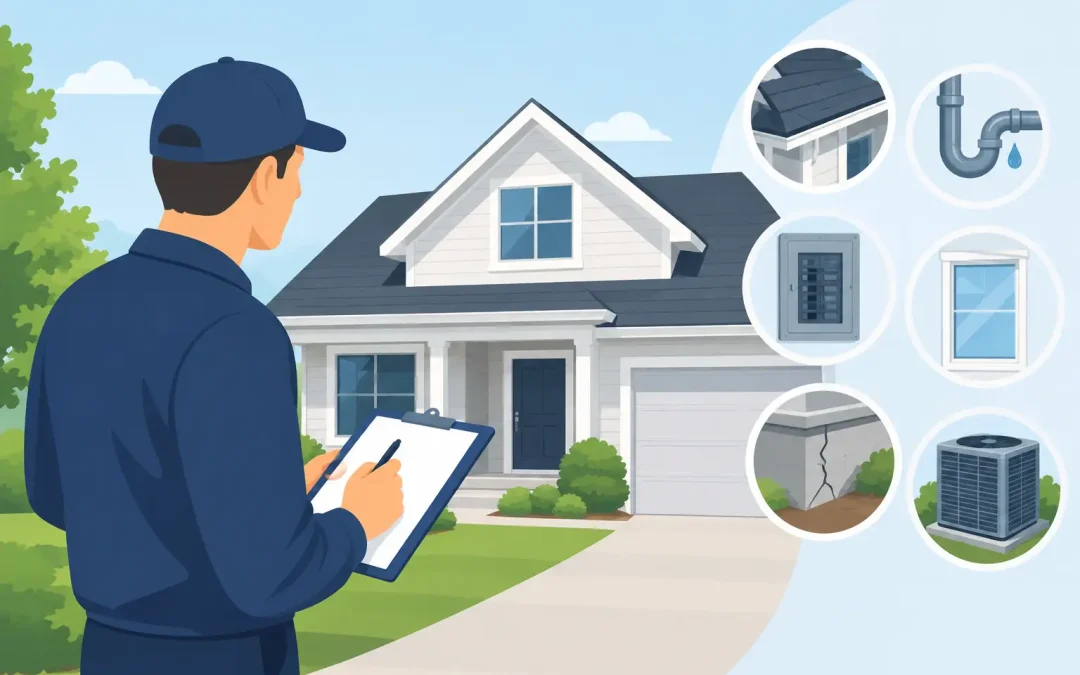
A home can look move-in ready during a showing and still carry expensive surprises behind a painted wall, above a ceiling, or inside an aging HVAC system. The best pre purchase inspection tips are not about finding a flawless house. They are about getting clear, documented facts before you remove contingencies, finalize repair requests, or take on a major financial commitment.
For buyers in Las Vegas, Boulder City, Pahrump, and throughout Clark County, that means looking beyond finishes. Desert heat, intense sun, hard water, older electrical components, roof wear, drainage concerns, and deferred maintenance can all affect a property’s real cost of ownership. A thorough inspection gives you the information to decide what needs attention now, what can be planned for later, and when it may be wise to reconsider the purchase.
1. Schedule the Inspection as Early as Possible
Do not wait until the end of your due-diligence period. Schedule the inspection promptly after your offer is accepted so you have time to read the report, ask questions, obtain contractor opinions when needed, and negotiate without rushing.
A short inspection contingency can become even tighter when a specialist is needed. If the inspector identifies signs of possible roof leakage, electrical safety concerns, foundation movement, sewer-line issues, or HVAC deficiencies, you may need further evaluation before deciding how to proceed. Early scheduling preserves your options.
Ask how quickly the report will be delivered and whether it includes clear photos and video. A report delivered within 24 hours can keep the transaction moving while the details are still fresh.
2. Choose Thoroughness Over the Lowest Price
An inspection fee is small compared with the cost of replacing an air-conditioning system, repairing a roof, correcting unsafe wiring, or addressing concealed water damage. The lowest-priced inspection is not always the best value if it results in a shallow report that leaves major questions unanswered.
Look for an inspector who explains their standard of practice, spends appropriate time at the property, and documents material findings with visuals. The goal is not a vague statement that something is “recommended for review.” You should understand what was observed, why it matters, and what type of next step makes sense.
A general home inspection is a visual, noninvasive assessment. It cannot see through walls or predict every future failure. Still, a detail-oriented inspector should identify many visible warning signs that deserve attention before closing. That is well above the bare minimum.
3. Attend the Inspection, Especially for an Older Home
The written report is essential, but attending the inspection gives you context that is difficult to capture on a page. If possible, arrive for the final portion of the appointment or coordinate a walkthrough with your inspector. This is your opportunity to see significant findings firsthand and ask practical questions.
Focus on understanding the difference between a safety issue, a repair concern, a maintenance item, and a future project. Every home will have some imperfections. Even a newer property may have minor installation defects or incomplete maintenance. The key is determining which items change your financial picture or your willingness to move forward.
Avoid treating the inspector like a contractor who can quote every repair on-site. Instead, ask what condition was observed, how urgent it appears, and whether a qualified specialist should evaluate it further. That approach produces better decisions than demanding a precise repair number without the necessary trade expertise.
4. Read the Full Report, Not Just the Summary
The summary section helps you find major concerns quickly, but it is not the entire inspection. Read the report from beginning to end. Details in the body of the report often explain where a condition was found, what was visible at the time of inspection, and whether monitoring, maintenance, repair, or specialist review is recommended.
Pay particular attention to limitations. An inaccessible attic, blocked electrical panel, stored belongings, locked outbuilding, or inoperative appliance can leave a question unanswered. Those limitations are not minor report language. They may require you to request access, documentation, or a return visit before your contingency expires.
A strong digital report should make it easy to revisit findings with photos and video. Save a copy where you can access it after closing, too. It can become a useful maintenance roadmap once the home is yours.
5. Prioritize the Systems That Can Affect Safety and Budget
Cosmetic flaws can be distracting, especially in a home you are excited to buy. Keep your attention on conditions with meaningful consequences. The most useful pre-purchase conversations usually center on four areas:
- Safety hazards, such as exposed wiring, missing protective devices, gas concerns, unstable structures, or trip hazards.
- Active or potential water intrusion, including roof defects, plumbing leaks, drainage problems, and moisture staining.
- Major systems nearing the end of useful service life, particularly HVAC equipment, water heaters, electrical panels, and roofing materials.
- Structural or site concerns, such as significant cracking, improper grading, damaged retaining walls, or signs of movement that merit expert evaluation.
In Southern Nevada, HVAC condition deserves close attention. A system that seems adequate on a mild morning may face a very different workload during a Las Vegas summer. Ask about the equipment’s visible condition, approximate age when identifiable, service history if available, and whether the system responded normally during the inspection. If there is doubt, an HVAC technician can provide a more complete assessment.
6. Separate Repair Requests From Wish-List Upgrades
A pre-purchase inspection is not a tool for asking a seller to make a home brand new. Sellers may reasonably decline requests for aged but functioning components, routine maintenance, or upgrades that were visible before you made the offer.
Your strongest negotiation position is built around material defects, safety issues, conditions that were not readily apparent, and repairs needed to prevent further damage. A missing GFCI protection device near water, evidence of an active leak, an unsafe electrical condition, or a failed major component is different from a scratched countertop or a dated light fixture.
Use the inspection findings to create a focused request list. Organized digital request-list tools can help buyers and agents select the findings that matter, add clear language, and keep the negotiation centered on documented issues rather than scattered emails. This is especially useful when several parties are reviewing the same report under a deadline.
7. Know When a Specialist Is Worth Calling
A home inspector identifies visible conditions and helps you recognize when more information is needed. Some findings should lead to a specialist evaluation before you decide on repairs or credits. Examples include suspected structural movement, roof leaks, sewer concerns, mold-like growth, chimney defects, pool equipment problems, or electrical conditions inside components that require more invasive review.
Do not assume a seller’s verbal reassurance resolves the issue. Request invoices, warranties, permits, maintenance records, or a written opinion from a qualified contractor when appropriate. Documentation matters because it gives you a basis for deciding whether a repair was properly completed and whether any transferable warranty exists.
It depends on the finding. A small repair with clear documentation may be manageable. A broad concern with no records, competing contractor opinions, or signs of recurring damage may justify more investigation or a different negotiation strategy.
8. Ask About What Was Not Inspected
The best inspection experience includes honest boundaries. Standard home inspections commonly exclude or limit areas such as concealed conditions, underground pipes, environmental testing, well performance, pest activity, code compliance, and specialized systems. The exact scope should be clear before the appointment.
If the home has a pool, spa, solar equipment, an older sewer line, a detached structure, or signs of past water damage, ask whether an additional inspection is prudent. Investors should also consider that tenant-occupied homes, vacant homes, and properties with extensive renovations can have different access and maintenance risks.
No inspection can eliminate all uncertainty. What it can do is replace assumptions with observable facts, identify where uncertainty remains, and help you decide whether the remaining risk is acceptable.
9. Do Not Let a Seller Repair Agreement End the Conversation
If the seller agrees to make repairs, ask for the work to be completed by appropriately qualified professionals when the issue involves licensed trade work or a major system. Request invoices and warranties before closing. If the repair was substantial, consider a reinspection or walkthrough to confirm the agreed work appears complete.
A credit can be preferable in some situations because it lets you control the repair after closing. The trade-off is that you accept responsibility for arranging the work, and the cost may exceed the credit. Consider your cash reserves, lender requirements, timing, and tolerance for projects before choosing between a seller repair and a credit.
10. Use the Report as Your First Homeownership Plan
Not every finding needs to be resolved before closing. A good report helps you sort immediate concerns from maintenance tasks you can budget over time. Create a first-year plan for items such as servicing the HVAC system, cleaning roof drainage paths where applicable, testing safety devices, monitoring cracks, sealing exterior gaps, and learning where shutoff valves and electrical disconnects are located.
Kelleher Home Inspections sets the bar high by pairing detailed observations with photo- and video-supported reporting, so buyers can have a direct conversation about what they are seeing and what to do next. That clarity is valuable whether you are buying your first home, relocating to Clark County, or adding an investment property.
Before you commit to closing, give yourself permission to slow down, ask for evidence, and make decisions based on the home’s condition rather than the pressure of the transaction. A careful inspection process does more than protect your purchase. It helps you begin ownership with your eyes open.
Recent Comments