
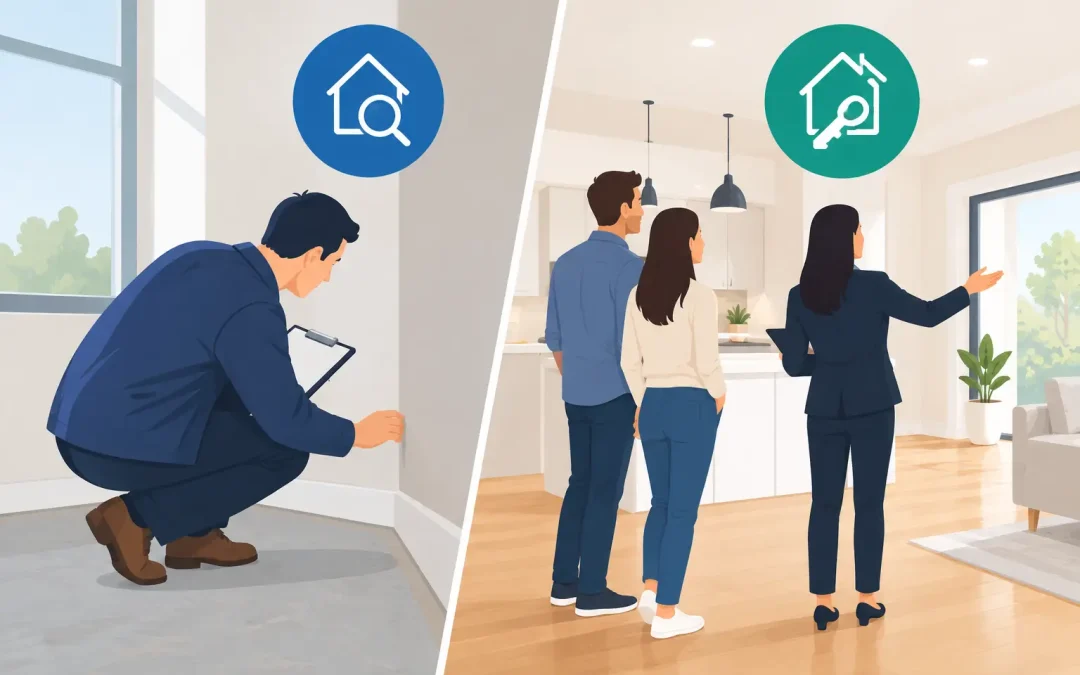
A home can look move-in ready during a showing and still have a leaking water heater, an aging electrical panel, or an air-conditioning issue waiting behind the walls. That is why the buyer inspection versus final walkthrough question matters so much. These are two separate protections in a Nevada real estate transaction, and confusing one for the other can leave a buyer with costly surprises after closing.
A professional inspection gives you an independent assessment of the home’s visible condition before you finalize repair requests and contingency decisions. A final walkthrough confirms that the property is in the agreed-upon condition just before closing. One is a detailed investigation. The other is a last verification.
Buyer Inspection Versus Final Walkthrough: The Key Difference
The buyer inspection is a professional evaluation of a property’s accessible systems and components. It is normally completed early in the escrow process, while the buyer still has time to review findings, request repairs or credits, obtain specialist opinions, or reconsider the purchase under the terms of the contract.
During a thorough home inspection, the inspector examines visible and accessible areas such as the roof, foundation, structure, exterior, plumbing, electrical system, heating and cooling equipment, interior rooms, attic, insulation, doors, windows, and major installed appliances. The goal is not to predict every future failure or make a home pass or fail. The goal is to identify material defects, safety concerns, deferred maintenance, and repair priorities so you can make an informed decision.
A final walkthrough is much narrower. It is usually completed by the buyer and real estate agent shortly before closing, often within 24 to 48 hours. You are checking that the home is substantially in the same condition as when you agreed to buy it, that negotiated repairs were completed, that included fixtures and personal property remain, and that no new damage occurred while the seller moved out.
The walkthrough is not a substitute for a professional inspection. It is also not the ideal time to discover that the air conditioner is at the end of its service life or that a roof repair needs further evaluation. By then, the transaction may be close to funding, and your options can be more limited.
What a Buyer Inspection Should Accomplish
A quality inspection should give you more than a checklist of minor flaws. It should help you understand what deserves immediate attention, what should be budgeted for, and what is simply part of owning a home.
For Las Vegas, Boulder City, and Pahrump buyers, that can mean closely evaluating concerns that are especially relevant in Southern Nevada. Extreme heat places real demands on cooling systems. Intense sun can accelerate wear on roofing materials, exterior finishes, and sealants. Older homes may have outdated electrical components or plumbing repairs that deserve closer review. Desert conditions do not eliminate moisture concerns either. Leaks, drainage issues, and irrigation-related deterioration can still affect a property.
A detailed digital report with photos and video gives buyers and agents a documented basis for the next conversation. Rather than relying on memory after a long inspection, you can review findings carefully, share them with qualified contractors if needed, and separate major concerns from manageable projects.
Inspection findings can support smarter negotiations
Not every finding should become a seller request. A home inspection will often identify normal maintenance items, cosmetic defects, and conditions common for a home’s age. Asking a seller to address every small item can distract from more meaningful issues and complicate negotiations.
Focus first on material defects, safety concerns, active leaks, damaged or nonfunctioning systems, and repairs with significant cost or time implications. A clear report can help your agent prepare a targeted repair addendum or credit request. Kelleher Home Inspections uses a digital Create Request List™ tool to help organize selected findings into a practical negotiation list rather than leaving buyers to sort through a report line by line.
That distinction matters. The inspection report is your complete record of observed conditions. The request list is a transaction tool built around the items you choose to address.
What to Check During the Final Walkthrough
The final walkthrough is about confirmation, not discovery. Bring the repair agreement, inspection report, any seller invoices or receipts provided, and a phone or charger for testing basic functions. Allow enough time to be methodical, especially if the home is larger or the seller has just moved out.
You do not need to recreate the full inspection. Instead, confirm the agreed repairs were completed and look for evidence that work was done properly. If a licensed contractor was required by the agreement, review the available documentation and make sure the repair matches what was negotiated. A receipt alone does not always show the scope or quality of work.
Walk every room and pay attention to conditions that may have changed since your last visit. Check for new wall, floor, door, or window damage. Look under sinks for active leaks. Run faucets, flush toilets, test lights and switches, and operate the garage door. In a vacant Nevada home, verify that utilities are on if your contract calls for them to be on and that the HVAC system can operate normally.
Also confirm that included appliances, window coverings, remotes, keys, garage openers, and other negotiated items are still present. If the seller agreed to leave a refrigerator, washer, dryer, or specific fixture, verify it before signing final closing documents.
A short list can keep the visit focused:
- Confirm completed repairs and review any supporting documentation.
- Check that agreed appliances, fixtures, keys, remotes, and personal property remain.
- Test basic plumbing, electrical, HVAC, and garage-door functions when utilities are available.
- Look for new damage, missing items, leaks, or debris left behind after the move-out.
When a Reinspection Makes Sense
Sometimes the right answer is more than a walkthrough. If the seller agreed to correct significant inspection findings, a professional reinspection can provide added confidence that repairs were completed in a workmanlike manner. This is particularly worthwhile for roof repairs, electrical corrections, plumbing leaks, HVAC concerns, structural items, or conditions that were inaccessible or nonfunctional during the original inspection.
A reinspection has limits. It does not guarantee future performance, and it may not include destructive testing or a full contractor-level evaluation. If the original issue involved a specialized system, such as a sewer line, pool equipment, roof, or HVAC unit, a licensed specialist may still be the best person to evaluate the repair. Your inspector can help clarify when that additional step is reasonable.
Do not wait until the final walkthrough to ask for a reinspection if you can avoid it. Scheduling it several days before closing gives everyone time to respond if the repair is incomplete, documentation is missing, or a new concern appears.
Common Mistakes Buyers Can Avoid
The first mistake is treating the final walkthrough as a casual visit because the house looked fine at the inspection. Sellers moving out can create new damage, disconnect appliances, or reveal conditions that were hidden by furniture. A careful final check protects you from accepting a changed property without raising the issue before closing.
The second is treating an inspection report as a repair punch list. Even a well-maintained home will have maintenance needs. Use the report to understand condition and prioritize risk, not to expect a used home to become new.
The third is accepting vague repair language. If an agreement says a seller will “repair as needed,” there may be disagreement later about what was actually required. Specific language, documented scope, and appropriate professional work make verification far easier.
Finally, do not let closing-day pressure silence legitimate concerns. If something is materially different from the agreement or the property has sustained new damage, notify your real estate agent promptly. The right next step depends on the contract, the nature of the issue, and the advice of the professionals representing you, but concerns are far easier to address before closing than after the keys change hands.
A careful inspection gives you the facts to negotiate wisely. A focused final walkthrough gives you one last chance to confirm that the home you are buying is the home you agreed to purchase. Treat both appointments as part of your protection, and walk into closing with clear eyes, useful documentation, and a plan for what comes next.
Recent Comments